
Council calls for a stronger workforce, expanded community-based services, and broader preventive health benefits to help older people remain active and independent

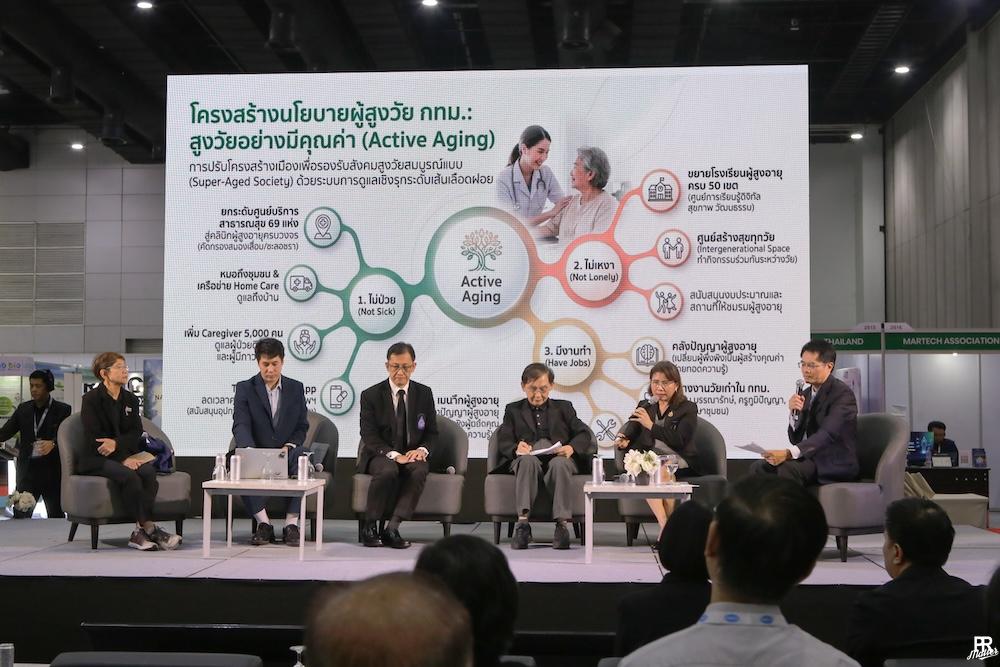
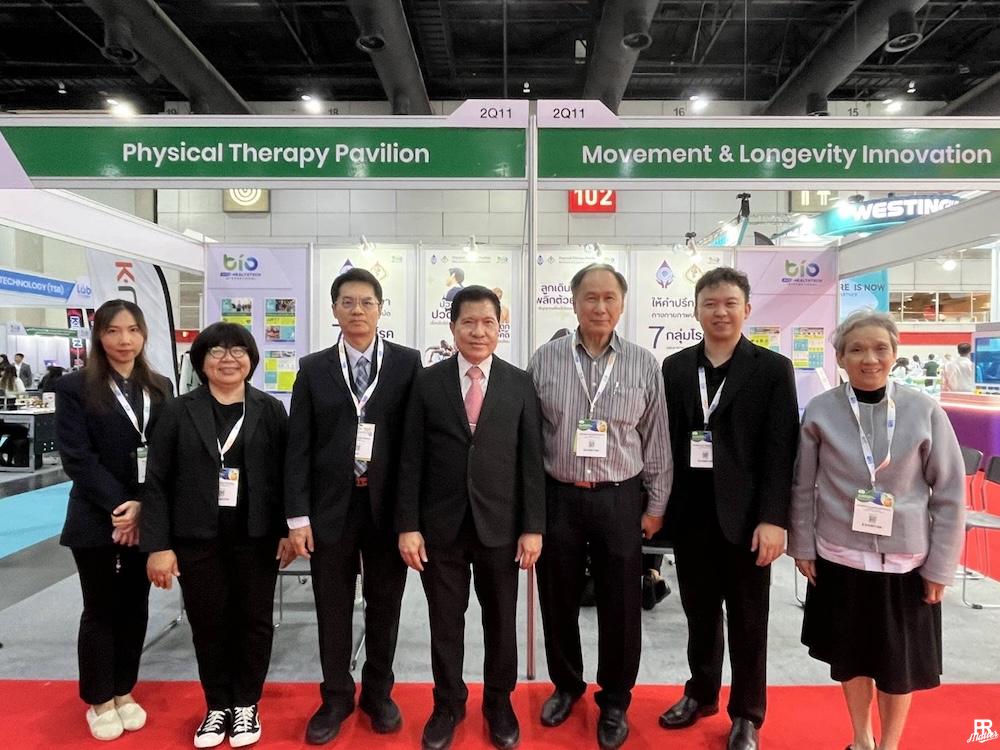
The Physical Therapy Council, in collaboration with the Physical Therapy Association of Thailand, held a panel discussion titled “Is Thailand Ready? Building a High-Quality Ageing Society through Physical Therapy” at Bio+Healthtech International 2026. The session took place from 1:00 to 1:50 p.m. on the Bio Square Stage in Hall 102 at BITEC, Bang Na, Bangkok.
The panel brought together representatives from health, local government, and political sectors to discuss health benefits, city-level healthy ageing, the role of physical therapy, and the direction of Thailand’s ageing policy. Speakers included Mr. Peerapol Sutiwisesak, Deputy Secretary-General of the National Health Security Office; Dr. Lertluck Leelaruangsang, Deputy Permanent Secretary for the Bangkok Metropolitan Administration; Professor Dr. Prawit Janwantanakul, PT, President of the Physical Therapy Council of Thailand; Mr. Akkharaphon Thongpoon, representative of the People’s Party; Mrs. Kannikar Bunteongjit, Manager of the Office of Policy Coordination for an Aging Society and representative of the Democrat Party
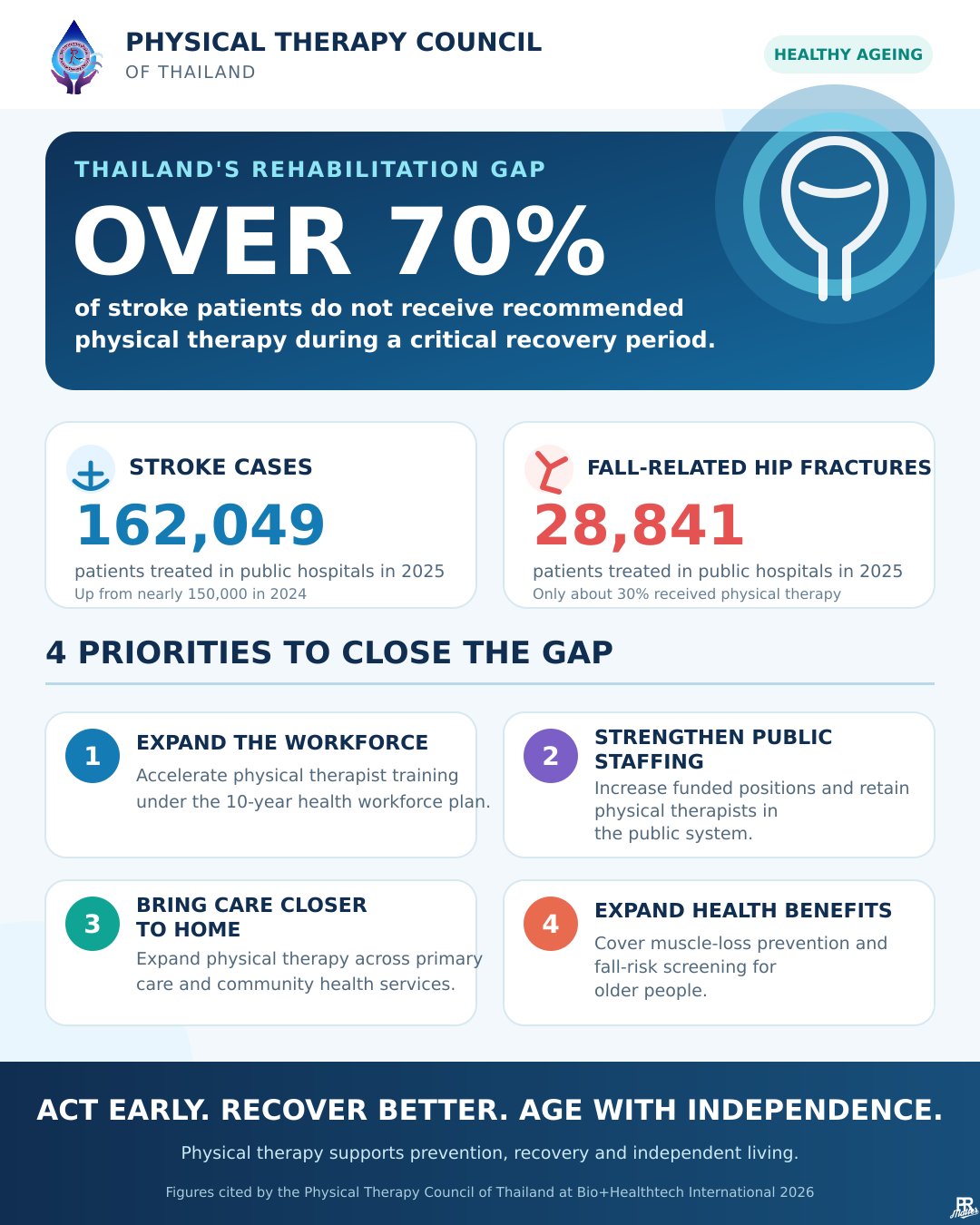
Speaking at the event, Prof. Prawit said only 30% of stroke patients receive physical therapy in line with the recommended rehabilitation guidelines. Similarly, only around 30% of patients with fall-related hip fractures receive physical therapy rehabilitation. These figures point to a major gap in access that may reduce patients’ prospects of recovery and increase their risk of becoming homebound or bedridden. He proposed four priority measures: increasing the number of physical therapists and retaining them in the public health system, expanding services into communities through primary care, and broadening health-promotion and disease-prevention benefits to support healthy ageing in Thailand.
Nearly a decade of life may be spent in poor health
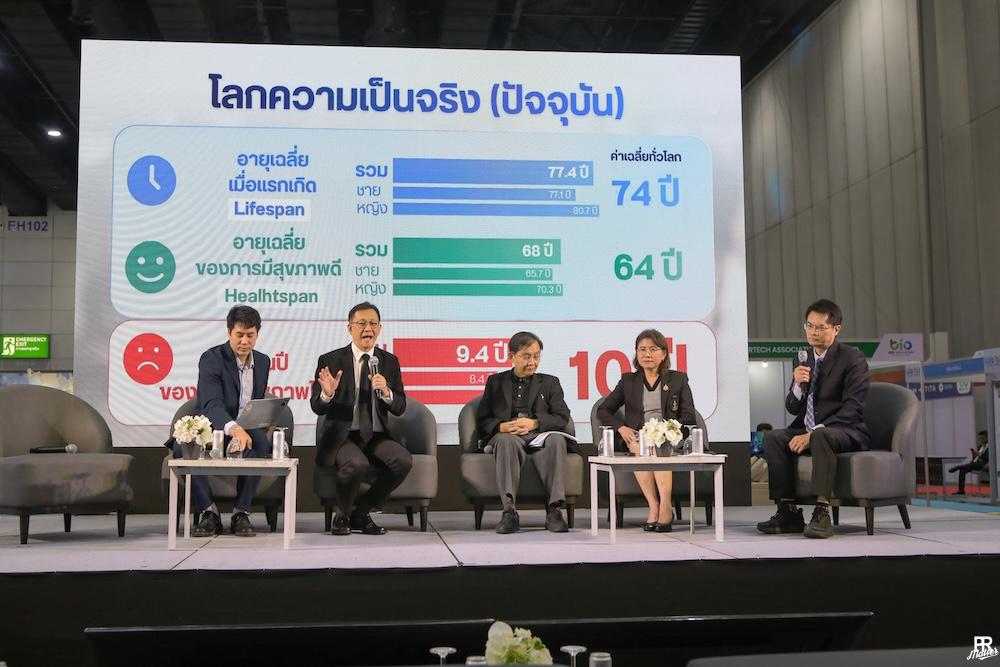
A high-quality ageing society is one in which most older people remain active and able to care for themselves, carry out daily activities, participate in society, exercise, or work independently, with as few people as possible becoming homebound or bedridden. Although medical advances have increased average life expectancy in Thailand to approximately 77.4 years, healthy life expectancy remains around 68 years. This means Thai people may spend nearly the final decade of their lives living with chronic disease or health limitations, directly affecting older people and their families while steadily increasing the country’s healthcare expenditure.
The rising number of stroke patients is a particular concern. In 2025, 162,049 stroke patients were admitted to public hospitals, up from nearly 150,000 in 2024. Stroke is a long-term condition rather than an illness that resolves immediately. Taken together, around 300,000 people experienced a stroke in those two years alone. These patients require continuous rehabilitation to improve their chances of regaining movement, carrying out daily activities, and returning as closely as possible to their previous way of life.

Seven in ten stroke patients may miss adequate rehabilitation
The 2024 stroke rehabilitation guidelines issued by the Sirindhorn National Medical Rehabilitation Institute, Department of Medical Services, Ministry of Public Health, recommend physical therapy approximately one to three times per week, for no fewer than 30 sessions over six months after the acute phase has passed and the patient’s condition is stable. Treatment frequency should be adjusted to the severity of each case. Available data, however, indicate that only 30% of stroke patients receive physical therapy in accordance with these guidelines. The remaining 70% may not receive adequate or continuous physical therapy during the critical recovery period.
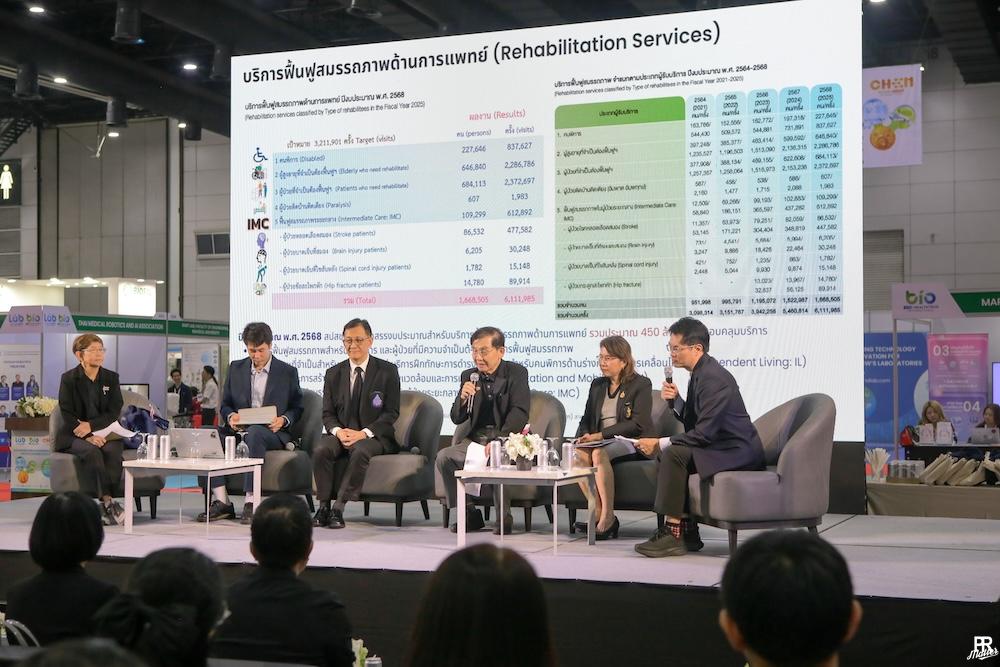
Falls are another serious concern among older people. In 2025, 28,841 patients with fall-related hip fractures were admitted to public hospitals. Physical therapy after surgery is essential to restore mobility and the ability to perform daily activities, yet only around 30% of these patients received physical therapy.
A key barrier to physical therapy in public hospitals is that the available workforce and services remain insufficient to meet demand. Patients consequently face long waiting times, even though the period immediately after the acute phase is crucial for rehabilitation. Delayed or interrupted physical therapy may reduce the likelihood of recovery and increase the long-term risk of patients becoming homebound or bedridden.

Physical therapy can support prevention as well as recovery
Prof. Prawit added that physical therapists also help promote health and prevent physical decline among older people. Through physical therapy assessment and diagnosis, they can develop exercise programmes and offer guidance on daily activities suited to each person’s physical condition.
The Physical Therapy Council is therefore encouraging physical therapists nationwide to organize healthy-ageing activities under the concept “Healthy Ageing: Walk Well, Remember Well, Prevent Falls, and Stay Positive.” The campaign aims to help older people walk safely and confidently, maintain cognitive health, reduce their risk of falls, and sustain positive emotional well-being. In the long term, these outcomes can improve quality of life and reduce healthcare costs.

Four measures for a high-quality ageing society
1. Accelerate the training of physical therapists in line with the Ministry of Public Health’s 10-year strategic plan for reforming the health workforce and public health service delivery.
2. Increase the number of physical therapist positions in public healthcare facilities and introduce measures to retain personnel in the public system.
3. Expand physical therapy services into communities through the primary healthcare system so older people and vulnerable groups can access care closer to home.
4. Broaden health-promotion and disease-prevention benefits for older people under the Universal Coverage Scheme, including the prevention of age-related muscle loss and screening for fall risk.
###