Thailand is accelerating its workforce development strategy to support the advanced electronics and semiconductor industries, as the sector clearly signals that future competitiveness will no longer depend solely on factories or machinery, but on “people” equipped with globally recognized skills and the ability to operate effectively within the global supply chain.
The Office of the National Higher Education Science Research and Innovation Policy Council (NXPO), in collaboration with the Thailand Printed Circuit Association (THPCA), Mahanakorn University of Technology, and the Global Electronics Association (GEA: IPC), has launched the Student-to-Industry Pathway Program (Pilot Workshop). The initiative aims to bridge students with the electronics industry through comprehensive exposure to industry landscapes, international standards, professional skills, and hands-on training.

This program represents a new model of workforce development that does not begin solely in classrooms but is driven by real industry demand, translating into structured learning pathways that enable students to confidently transition into factories and production lines.
Ms. Panisa Harnpatthanun, Senior Division Director of Higher Education Innovation and Future Skills Development at NXPO, stated that NXPO serves as a key intermediary connecting private sector workforce demand with the education system. The focus goes beyond workforce quantity to identifying specific job roles and required skill sets across industries.
NXPO is also advancing the Higher Education Sandbox approach, enabling universities to design more flexible programs such as module-based curricula and sandwich courses, allowing students to combine academic learning with real-world work experience. These programs enable credit accumulation, certification, and significantly reduce the gap between education and employment.

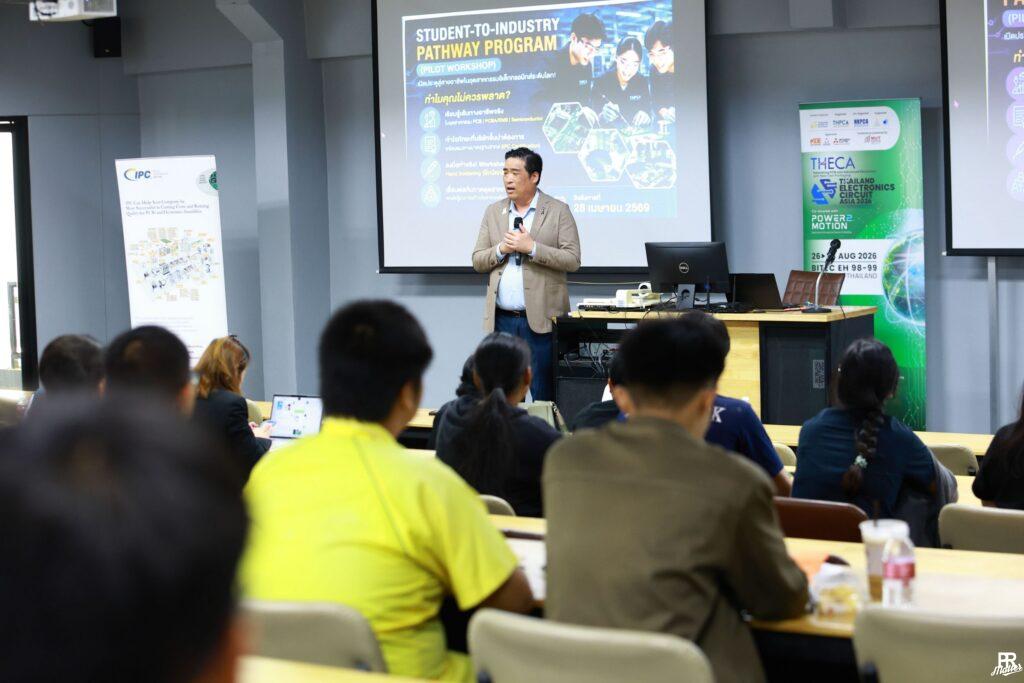
Assoc. Prof. Dr. Panavee Pookaiyaudom, President of Mahanakorn University of Technology, emphasized that workforce development must deliver tangible outcomes to the private sector. It is not enough to communicate policies or high-level goals; institutions must demonstrate real outputs in terms of knowledge, practical results, and recognized certifications.
Mr. Phutana Daoruang, General Manager of THPCA, added that the association plays a critical role in reflecting industry demand, helping both government and academia clearly understand what type of workforce is needed, in what quantity, and with what skills, particularly in PCB, PCBA, advanced electronics, and semiconductor sectors.
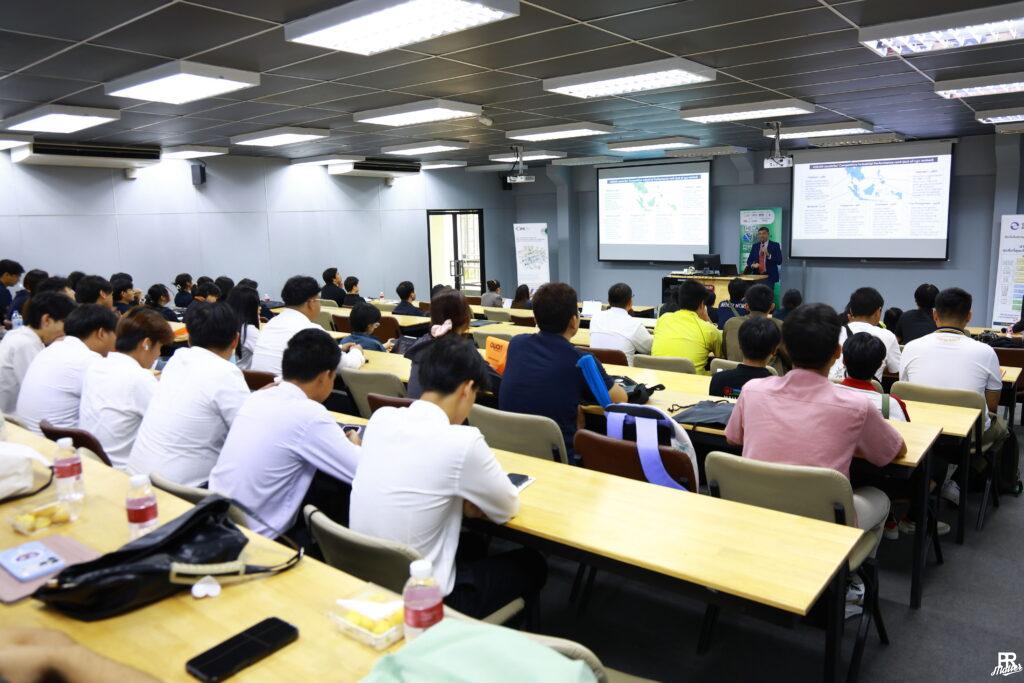

A key dimension of this initiative is the integration of IPC standards as the core framework for elevating Thailand’s workforce capabilities. Mr. Raj Tiwari, Country Manager Thailand at GEA (IPC), noted that IPC standards have been globally recognized for over 70 years and are widely adopted by leading companies worldwide. These standards cover the entire value chain, from PCB manufacturing and assembly to design.
“Many people think of ISO when discussing quality. However, ISO focuses on documentation and management systems, while IPC directly validates that your workforce possesses globally recognized technical skills,” Mr. Raj explained.
For Thai manufacturers seeking to attract orders from global brands such as Apple, IBM, Samsung, Boeing, and other high-reliability industries, having IPC-certified personnel is a critical factor in building international trust.
IPC standards are especially vital in industries requiring high precision and reliability, including medical devices, aerospace, automotive, and long-lifecycle electronics, particularly Level 3 components, where failure is not an option.
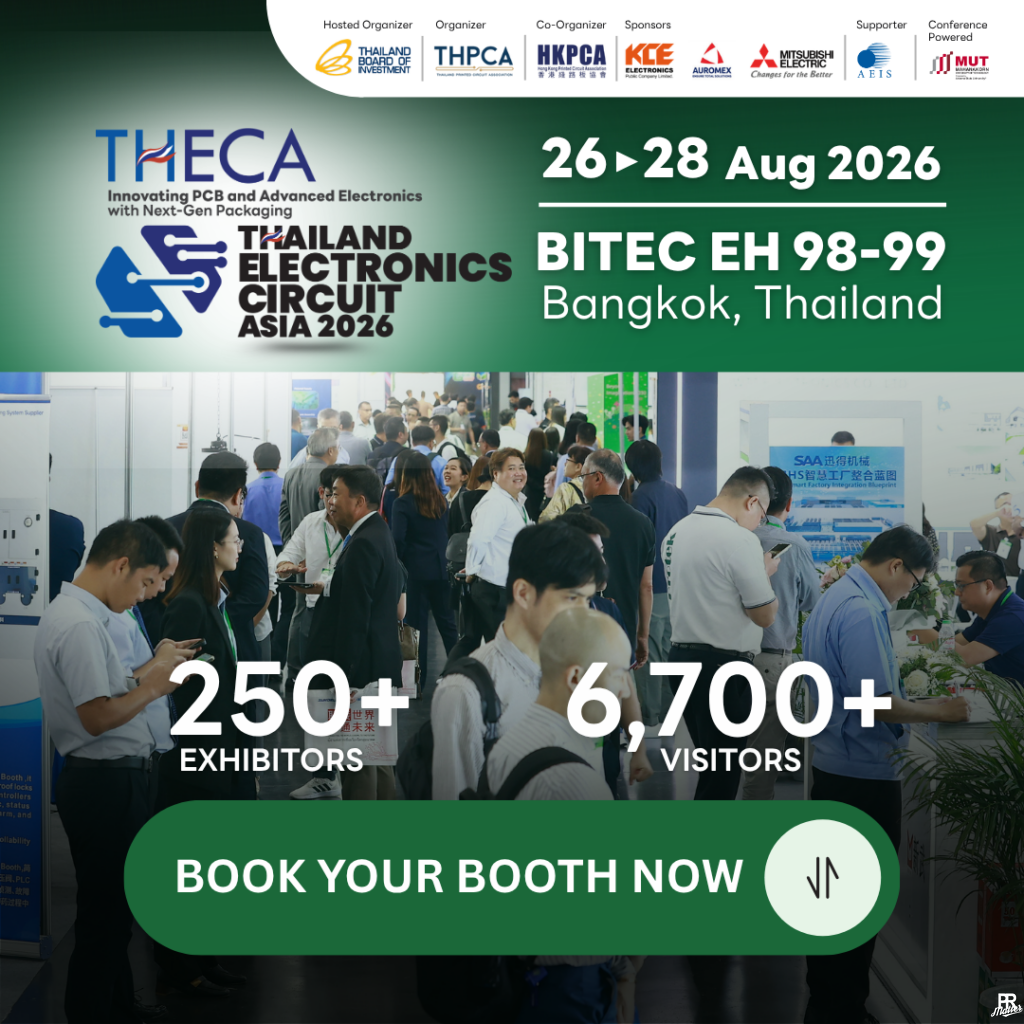
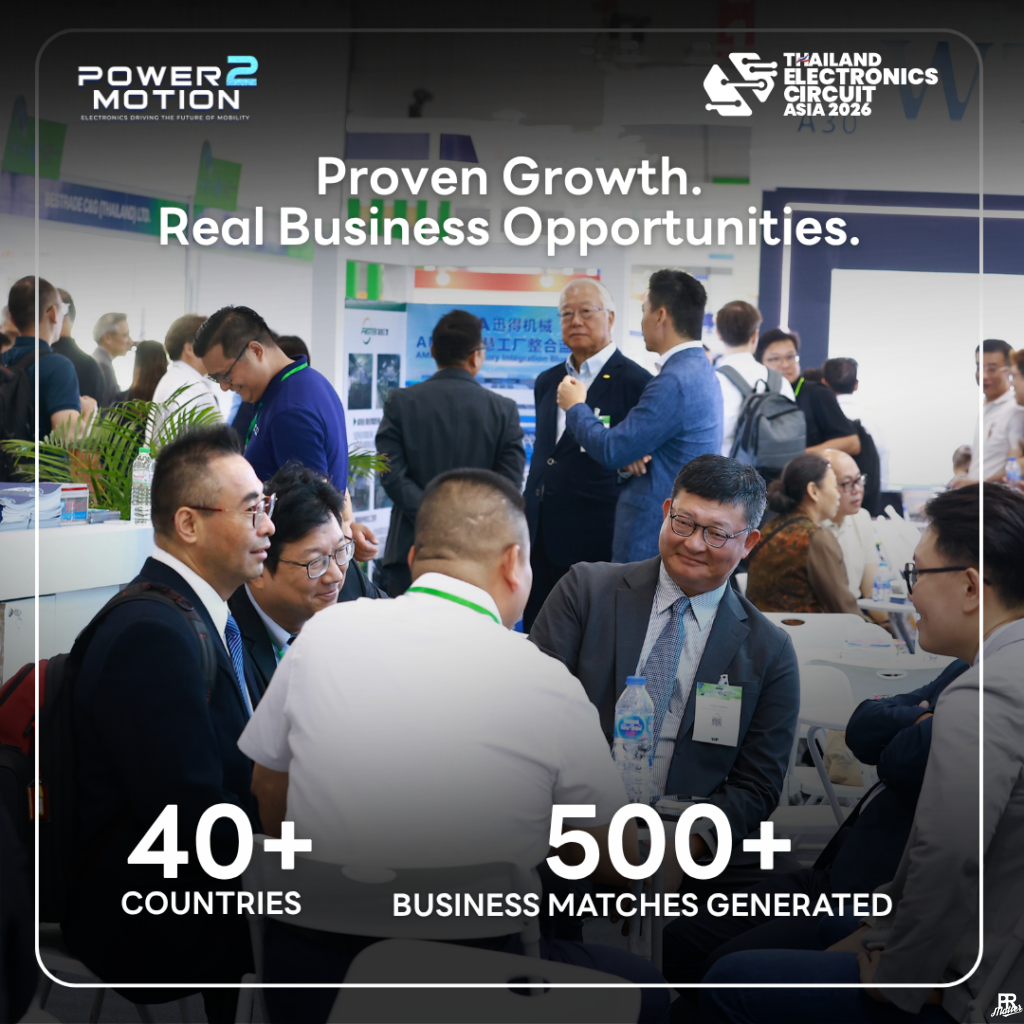
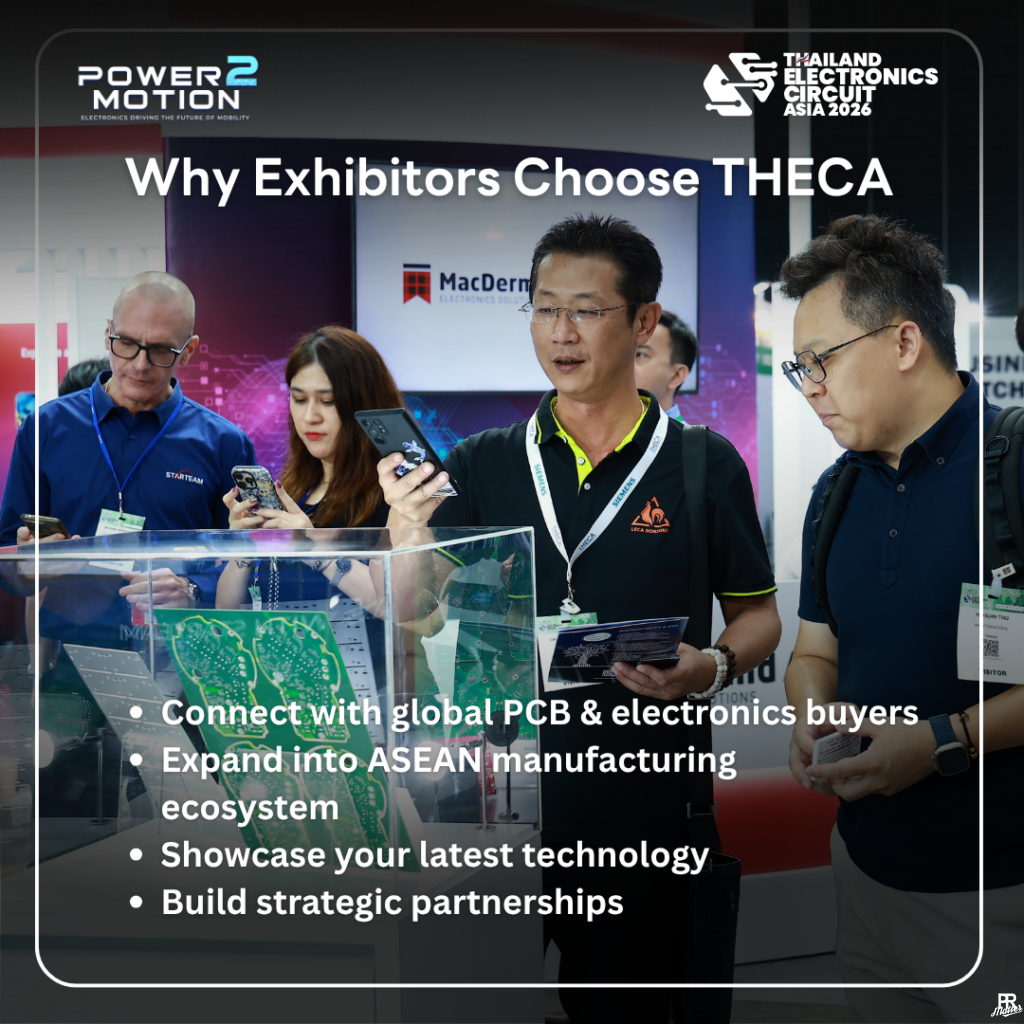

This collaboration will further extend to the Workforce Pavilion at Thailand Electronics Circuit Asia 2026 (THECA 2026), Asia’s largest exhibition for electronics circuits, taking place from 26–28 August 2026 at BITEC Hall 98–99, Bangkok.
The Workforce Pavilion will serve as a central platform for the electronics workforce ecosystem, led by NXPO in collaboration with THPCA, the Board of Investment (BOI), universities, government agencies, and private sector partners. It will consolidate training programs, incentives, support measures, career pathways, and international standards into a single integrated space.

Key highlights within the Pavilion include:
- Workforce incentives and benefits, including BOI support measures and government tax incentives
- Upskilling and reskilling programs, training courses, and industry certifications from leading educational institutions aligned with investment needs
- Career marketplace, connecting leading electronics companies with emerging talent and experienced professionals to address workforce shortages
The Workforce Pavilion is not merely an information showcase but a “connection point” linking classrooms, factories, government, and global markets. It enables the private sector to assess Thailand’s workforce readiness, while allowing young talent to envision their future in a rapidly growing industry.
Students and professionals can attend the Workforce Pavilion at THECA 2026 free of charge. Pre-registration is available at:
https://thecaregistrations.com/Registration/ChooseTypeRegis.aspx?codeInv=THECA2
At a time when the electronics and semiconductor industries have become a global battleground, developing a workforce with internationally recognized skills is critical. If Thailand can elevate its human capital in line with market demands, opportunities to attract investment, secure orders, and access advanced technologies will continue to expand.